Introduction
Seasonal demand for short-term rentals in Dubai can be challenging yet rewarding for managing rental properties. Dubai's vibrant tourism scene means there's always something happening, drawing visitors from around the globe. This influx of tourists creates peak seasons where demand for accommodations skyrockets, offering a prime opportunity to maximize rental income.
From managing bookings efficiently during busy periods to maintaining appeal during quieter months, seizing these opportunities can ensure your short-term rental stays competitive and profitable year-round. Landlords can thrive in Dubai's bustling rental market by focusing on these elements.
Understanding Seasonal Demand in Dubai
Dubai's short-term rental market sees distinct peaks and troughs throughout the year. Understanding this seasonal demand is key to maximizing rental success. The winter months, from November to March, typically see the highest influx of tourists due to the pleasant weather. Events like the Dubai Shopping Festival and New Year's celebrations attract visitors worldwide, leading to a surge in demand for accommodations.
Conversely, the summer months tend to be quieter as temperatures rise. This is an opportunity for landlords to cater to a different kind of traveler, such as those visiting for business or looking for longer stays at a lower cost. Staying informed about Dubai's events and trends allows you to anticipate these changes.
Keep an eye on the school holiday calendar, as families often plan trips during breaks. International events, like the Expo or concerts, can also affect demand. Knowing when these occur will help you prepare your property accordingly.
Want us to handle everything? Our full-service Airbnb management in Dubai takes care of guests, pricing, and maintenance for you.
Consider the varying needs of guests during different seasons. Winter visitors prefer accommodations near outdoor attractions, while summer guests prioritize air-conditioned indoor spaces. By predicting these patterns, you can better position your short-term rental to meet the expectations of various guests, ensuring consistent bookings throughout the year.
Strategies for Managing High and Low Seasons
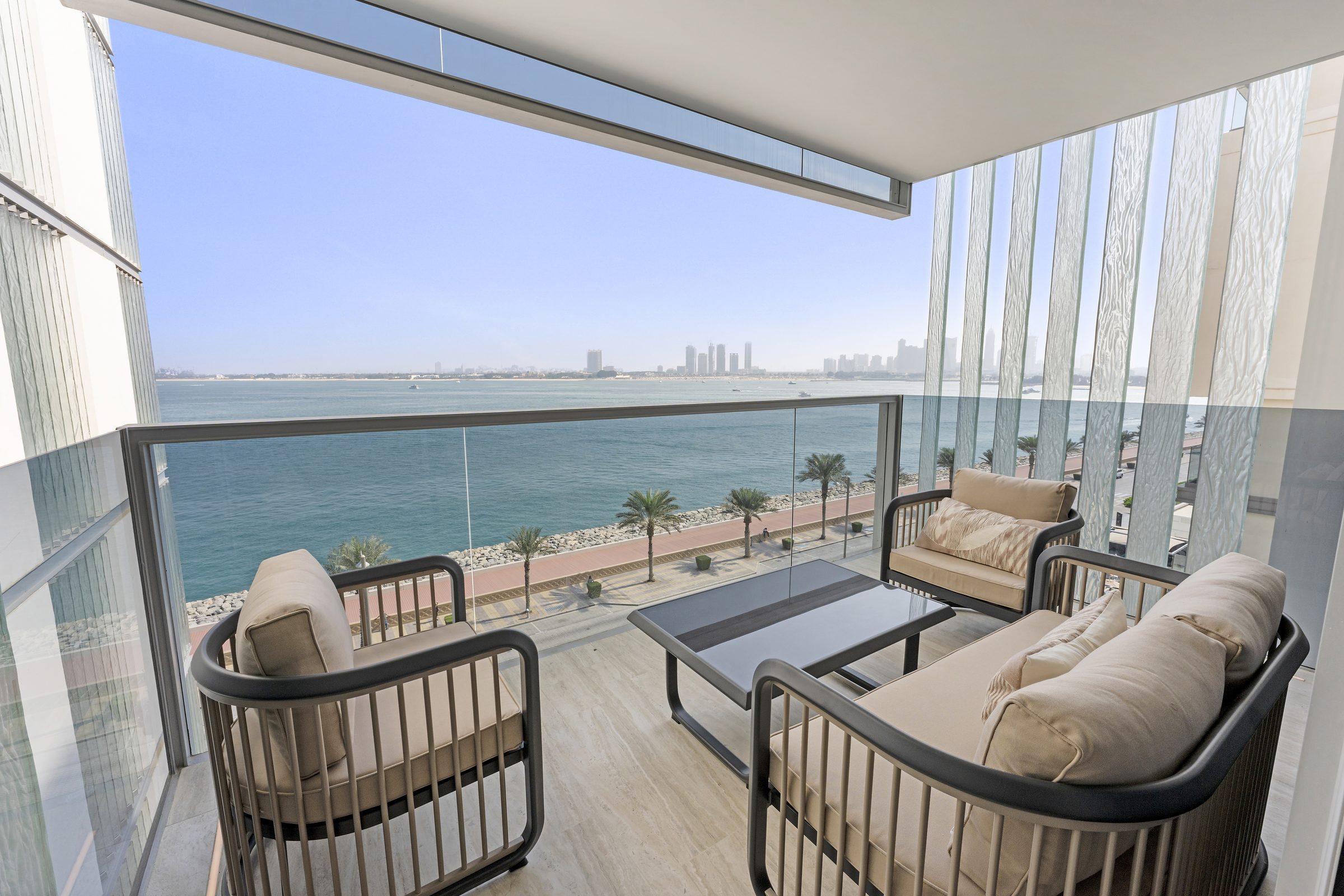
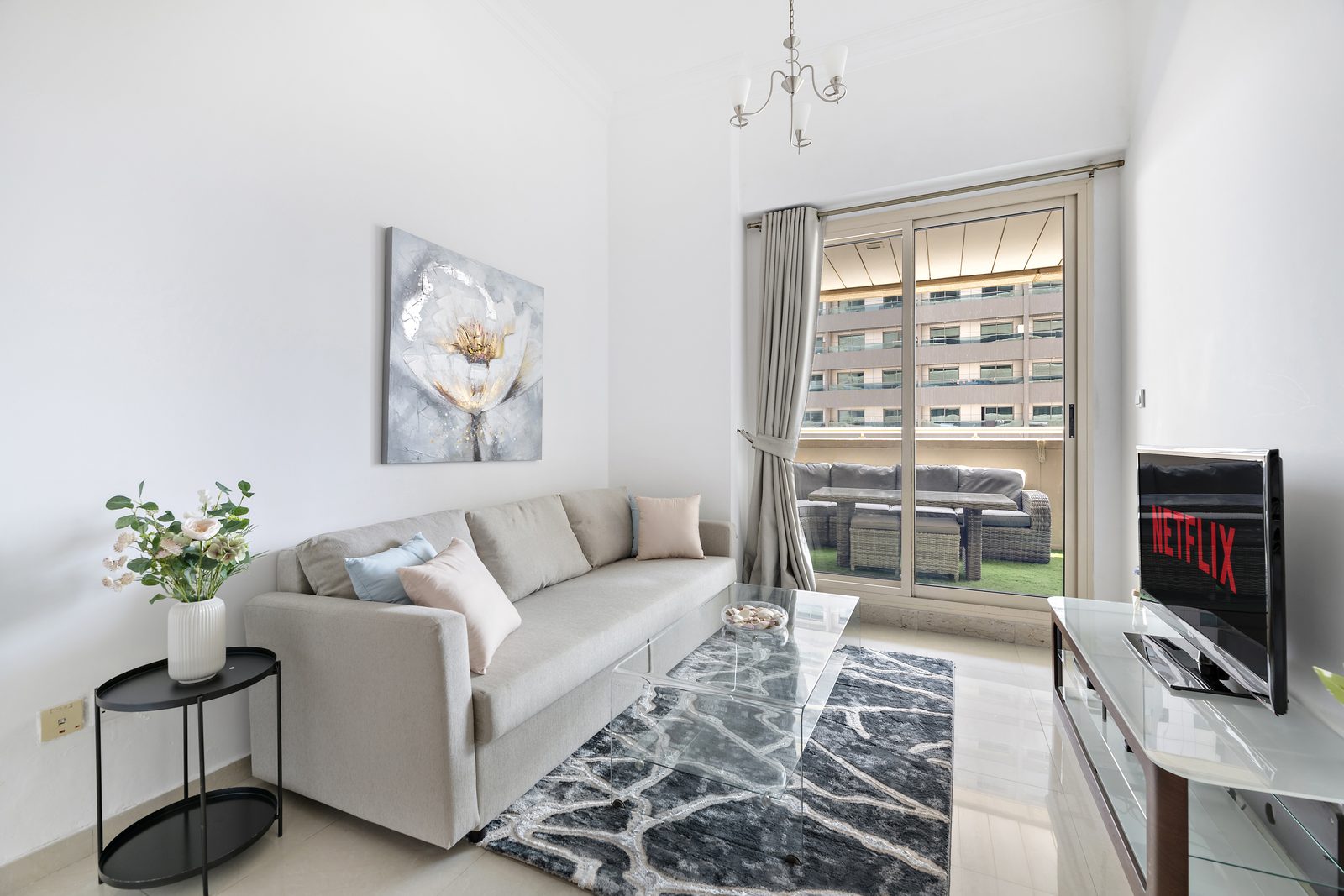
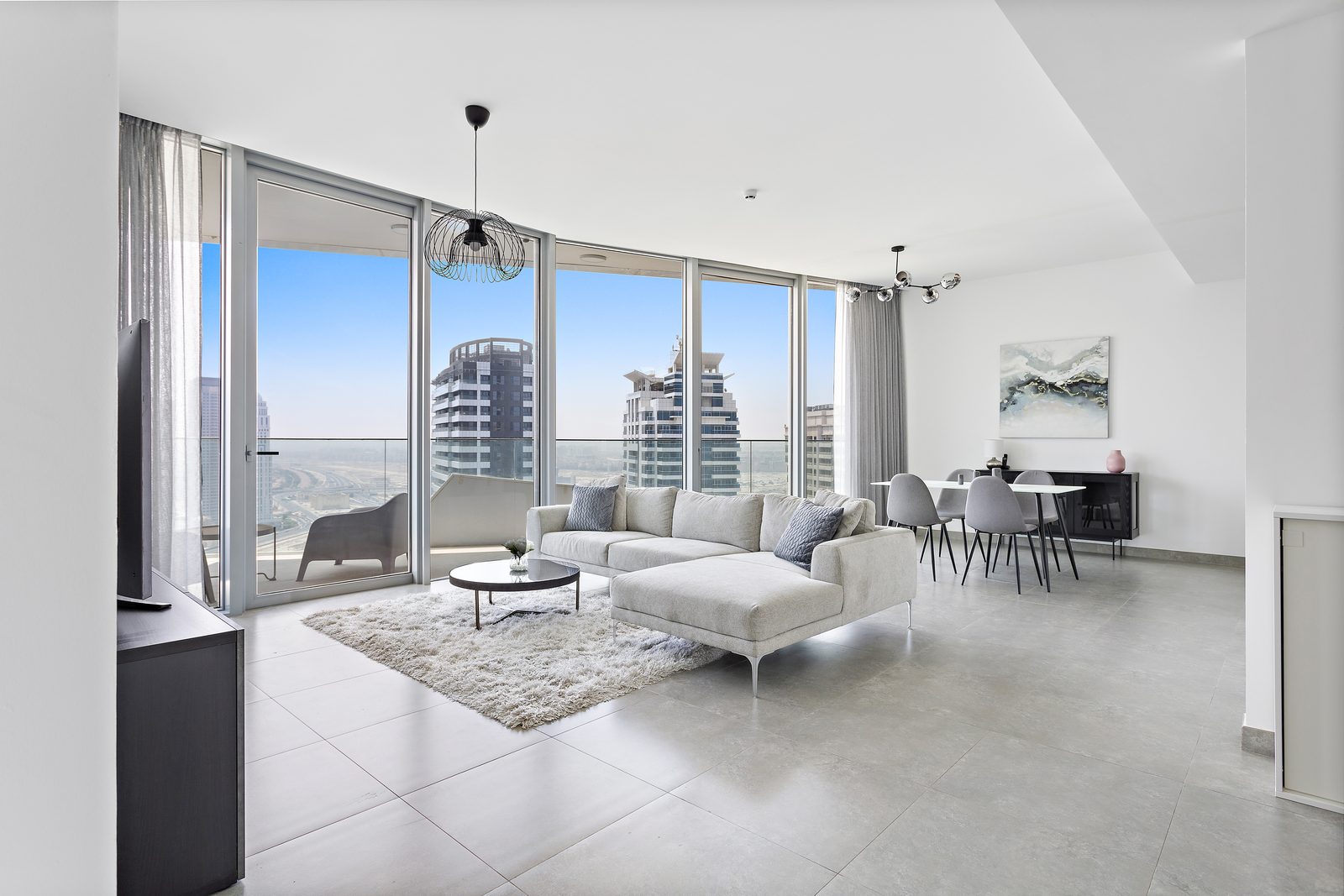
Successfully managing high and low seasons involves strategic planning and flexibility. Start with adjusting your marketing efforts. During high season, highlight features that make your property stand out, like proximity to events or luxurious amenities. Use attractive photos and engaging descriptions to capture interest.
In the low season, consider offering promotions or discounts. These can attract guests looking for a bargain or those considering an extended stay. Additionally, listing on multiple booking platforms can increase your property's visibility and chances of securing bookings year-round.
Here's how you can manage seasonality effectively
. Adjust Minimum Stay Requirements: Relax the nights required during the low season to encourage more bookings.
. Offer Special Packages: Include extras like free tours or discounted tickets to local attractions to add value.
. Flexible Check-In/Check-Out: Accommodate different schedules to appeal to travelers flying from distant locations.
No hidden fees. Check our management fee structure — one of the most competitive in Dubai.
. Update Listings Frequently: Keep your property information current and relevant to the season, emphasizing unique aspects that match current trends.
. Build Relationships with Guests: Encourage repeat stays by offering loyalty discounts or personalized deals to past guests.
By implementing these strategies, landlords can navigate the cyclical nature of Dubai's rental market, minimizing downtime and maximizing occupancy. This ensures that your short-term rental remains attractive throughout the year, delivering consistent returns.
Pricing Techniques to Maximize Profit
Setting the right price for your short-term rental in Dubai maximizes profit. During peak seasons, demand is high so landlords can adjust their rates accordingly. However, finding a balance that attracts guests while enhancing revenue is essential.
To start, research the rates of similar properties in your area. Consider factors like location, amenities, and seasonality. Offering different pricing tiers for weekdays and weekends can also optimize occupancy. Due to increased demand, guests might be willing to pay a premium for weekend stays.
Implement a dynamic pricing strategy that adjusts rates based on occupancy levels, booking trends, and upcoming events in the city. Technology can help automate this process, ensuring that your prices remain competitive. Offering promotional discounts for extended stays can encourage longer bookings and reduce vacancies.
Communicate the value guests receive for the price. Highlight exclusive features such as a scenic view, proximity to popular attractions, or unique amenities. You can boost your profits by effectively pricing your sh...